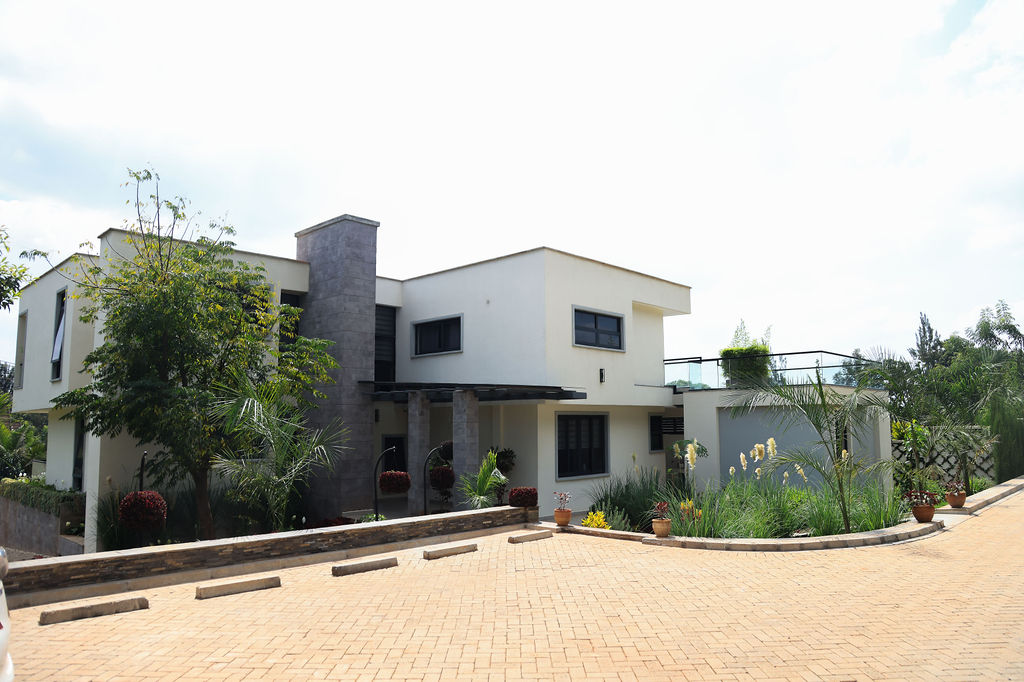
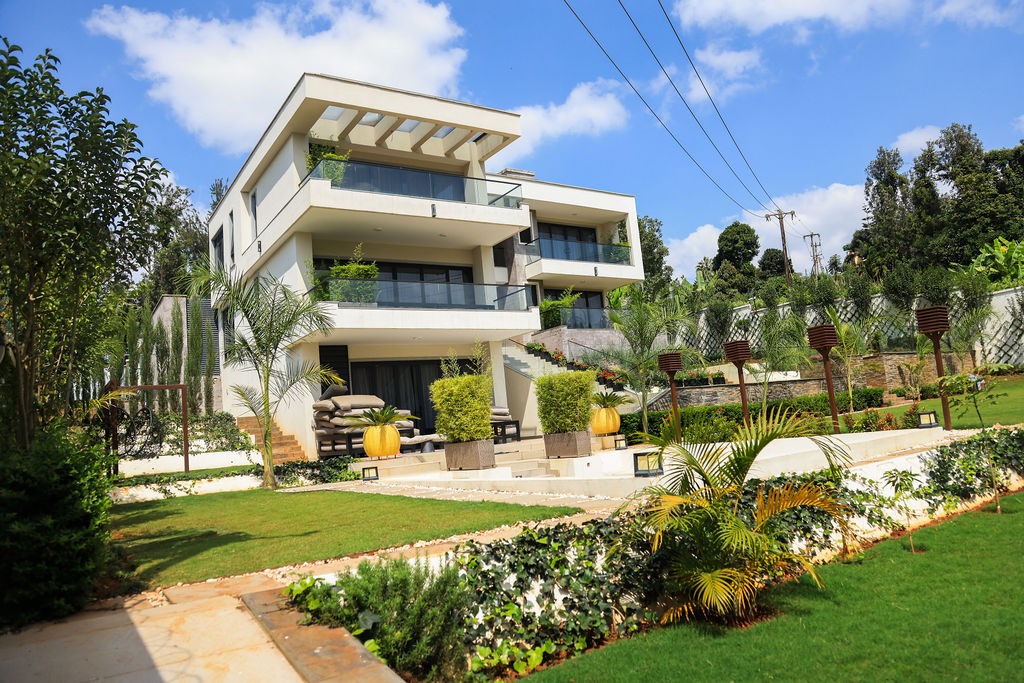
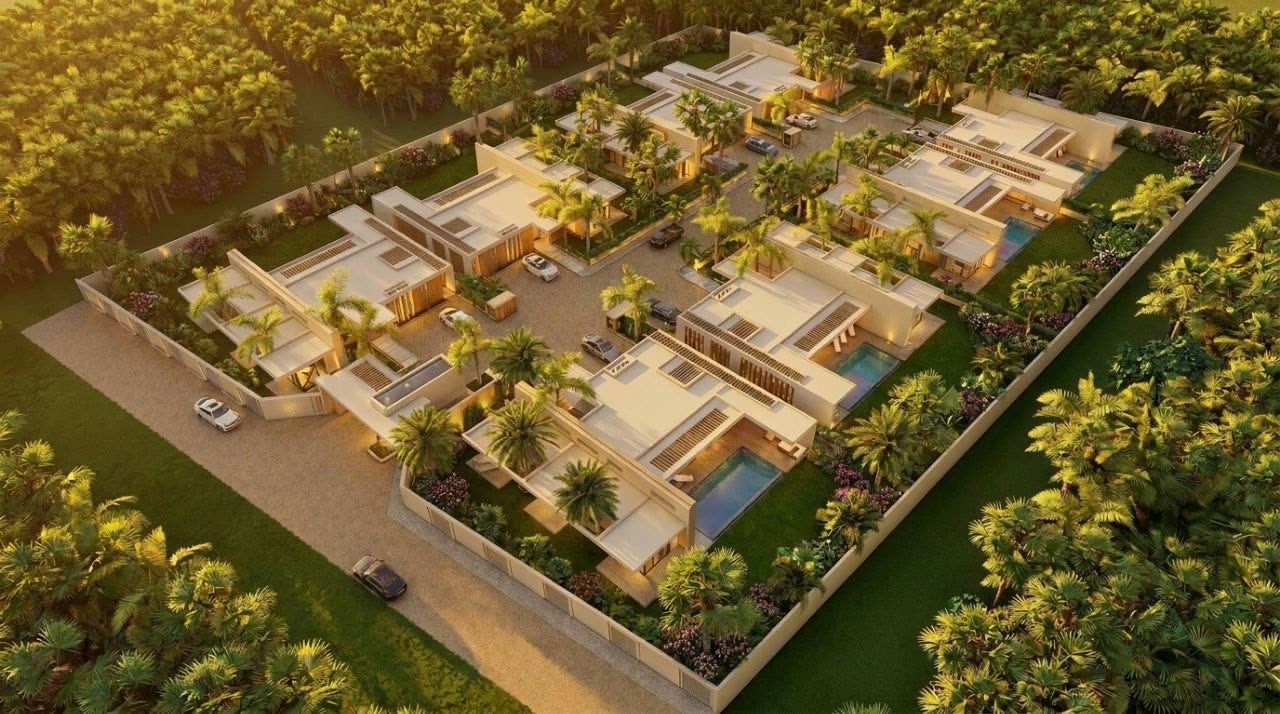
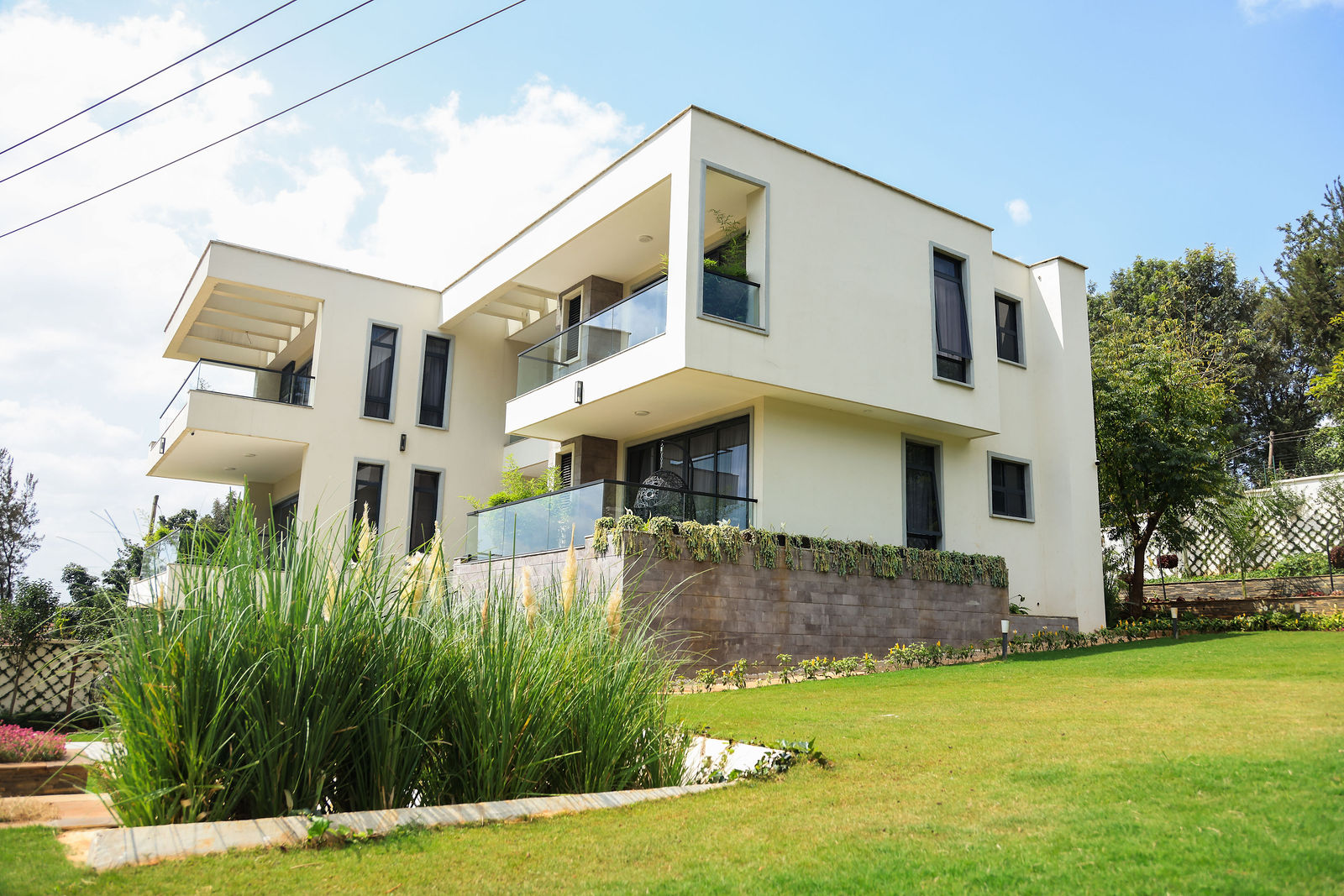
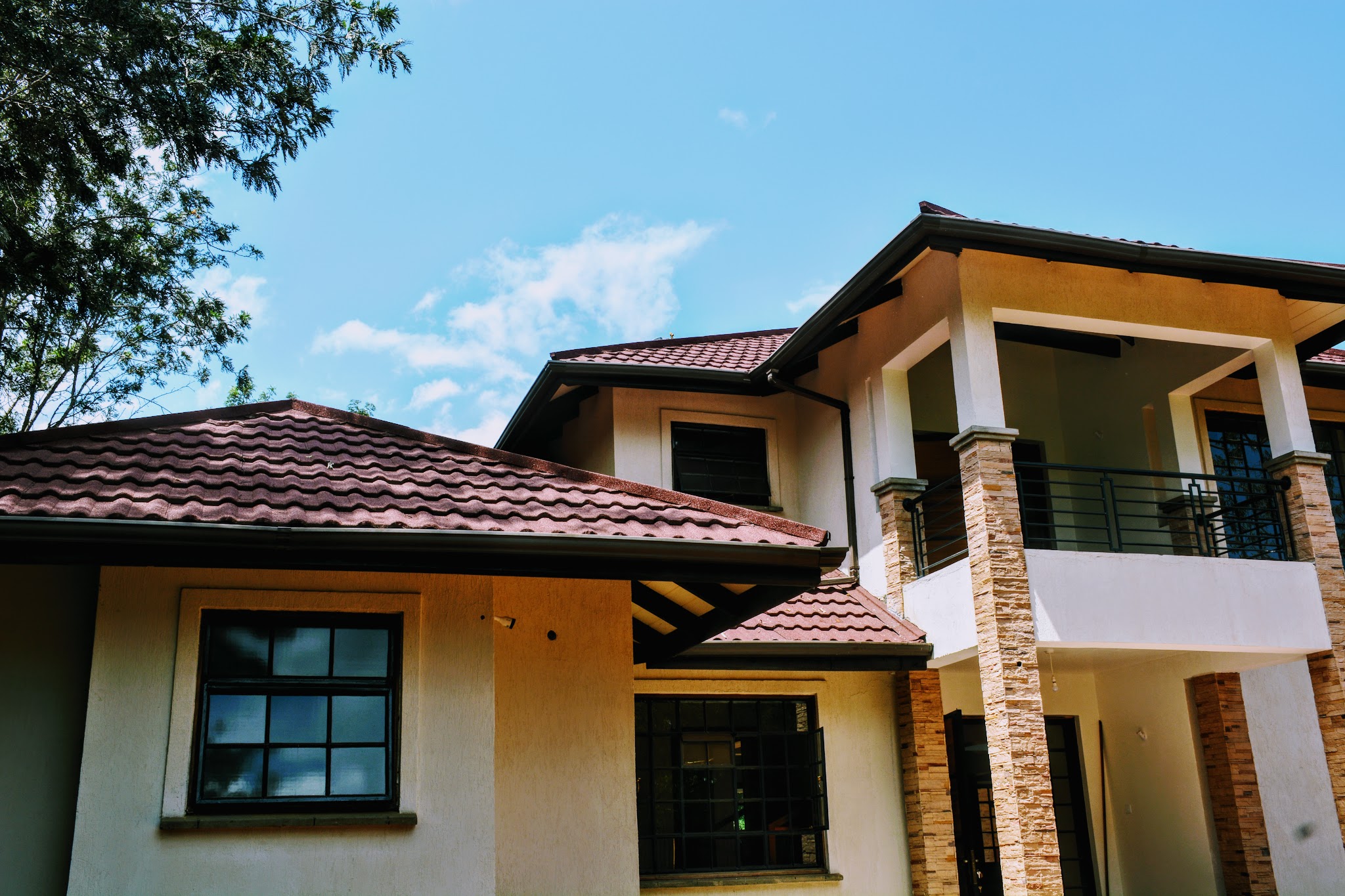
The cost of building apartments in Kenya depends on three things more than any other: how much floor area you build, the standard of finish, and how well the project is planned before the first foundation is dug. Construction itself is only part of the budget; land, approvals, utilities and finance can change the numbers a great deal.
This guide sets out current indicative rates, how to build a full project budget, the approvals an apartment block needs, and what returns and taxes to expect.
Key takeaways
- Indicative 2025 rates from Integrum put a standard low-rise apartment block in Nairobi at about KSh 61,610 per m², a high-rise block at KSh 68,290 per m² and a luxury block at KSh 86,810 per m².
- Construction is only one line of the budget; land, professional fees, approvals, external works, utilities, finance and contingency also need to be priced.
- An apartment project needs county development permission, a NEMA environmental licence, NCA project registration and utility approvals before works start.
- Selling individual flats with titles needs registration under the Sectional Properties Act 2020.
- Cytonn reports an average rental yield of 5.9% for the Nairobi Metropolitan Area residential market in 2025.
- Resident landlords pay residential rental income tax of 7.5% of gross rent, according to KRA.
How much does it cost to build apartments in Kenya per square metre?
Kenyan cost guides price apartments by the square metre of gross floor area, which includes the flats plus stairs, corridors and walls. The table below shows indicative 2025 rates published by Integrum, a Kenyan construction firm, which describes them as planning figures, not quotations.
| Apartment type | Nairobi and Mt Kenya (KSh/m²) | Coast (KSh/m²) | Western and Nyanza (KSh/m²) |
|---|---|---|---|
| Standard low-rise apartment block | 61,610 | 58,730 | 66,510 |
| Standard high-rise apartment block | 68,290 | 65,080 | 68,610 |
| Luxury apartment block | 86,810 | 88,480 | 83,250 |
Source: Integrum, 2025 construction costs in Kenya.
Costs have been rising. Data attributed to the Architectural Association of Kenya (AAK) shows the cost of a standard bungalow rose from KSh 48,750 per m² in 2024 to KSh 54,730 per m² in 2025, as reported by Mwakilishi. The Kenya National Bureau of Statistics construction input price index reached 120.15 in the fourth quarter of 2025, up from 119.41 a year earlier, according to The Standard. Always ask a quantity surveyor to price your design at today's rates.
High-rise blocks cost more per square metre than low-rise because they need lifts, heavier structures, deeper foundations, fire safety systems and more complex mechanical, electrical and plumbing (MEP) services.
What goes into a full apartment project budget?
A rate per square metre covers the building. A developer's budget has to cover the whole project.
| Budget line | What it includes |
|---|---|
| Land | Purchase price, stamp duty, legal fees, searches and survey |
| Design and professional fees | Architect, structural engineer, MEP engineer, quantity surveyor, environmental expert |
| Approvals | County planning and building permits, NEMA licence, utility applications |
| Building works | Substructure, frame, walls, roof, finishes and MEP services |
| External works | Parking, driveways, drainage, boundary wall, gate, landscaping |
| Utilities | Water and sewer connections, power supply, storage tanks, any borehole |
| Finance costs | Interest and fees on development loans during construction |
| Sales and legal | Marketing, sale agreements, sectional title registration |
| Contingency | An allowance for price changes and unforeseen ground conditions |
An illustration, not a quote. A block with 1,200 m² of gross floor area, priced at the Nairobi rates above, would cost roughly KSh 73.9 million at the standard low-rise rate (1,200 × 61,610), KSh 81.9 million at the high-rise rate and KSh 104.2 million at the luxury rate. That is for the building only, before land, fees, external works, utilities, finance and contingency.
A detailed bill of quantities (BQ), the document that lists and prices every item of work, is what turns these broad numbers into a reliable budget. Our guide to avoiding cost overruns explains how BQs, contracts and payment milestones keep a project on budget.
What drives the cost of an apartment block?
- Height and structure. More floors mean heavier frames, deeper foundations, and usually lifts above a certain height.
- Ground conditions. Black cotton soil, rock or a high water table change foundation design and cost.
- Unit mix and layout. Repeating the same floor plan, and stacking kitchens and bathrooms vertically, simplifies structure and plumbing.
- Parking. Basement parking costs far more than surface parking.
- Finishes. Floor finishes, windows, kitchen fittings and sanitaryware can move the rate by tens of thousands of shillings per m².
- Services. Water storage, pumps, a borehole, standby power and solar water heating all add cost.
- Location. Haulage, labour and materials prices differ between regions, as the table above shows.
Which approvals does an apartment project need in Kenya?
Under the Physical and Land Use Planning Act 2019, building plans and any change of user need development permission from the county government. County zoning rules also limit how many units you can build, through density, plot coverage and height controls, so check them before you buy land.
| Approval | Who issues it | Notes |
|---|---|---|
| Development permission and building plan approval | County government | Architectural, structural and services drawings |
| Environmental licence | National Environment Management Authority (NEMA) | Level of study depends on the project's risk category |
| Project registration | National Construction Authority (NCA) | The developer's duty; NCA's FAQs say registration is free |
| Water and sewer connections | Local water services provider | In Nairobi, sewer drawings must be approved and stamped first |
| Power supply | Kenya Power | Larger loads need a scaled site plan and load schedule |
| Sectional plan | Survey department and land registry | Needed to issue a title for each flat |
For NEMA, a 212-unit residential scheme was screened as a high-risk project because it exceeded 100 housing units, according to its NEMA-filed study report. Under the 2025 environmental assessment regulations, high-risk projects need a full environmental assessment study and medium-risk projects a comprehensive project report.
In Nairobi, the water company will not accept a sewer connection application until the drawing showing the plan, ground levels and invert levels has been approved and stamped, according to Nairobi Water's application instructions. Kenya Power's new connections FAQ says premium applications (25 to 999 kVA) need a scaled site plan and load details.
Our guide to building plan approval in Nairobi covers the county process step by step.
Can you sell individual apartments with title deeds?
Yes, through the Sectional Properties Act 2020. According to DLA Piper's guide to the Act, the land must be freehold or leasehold with at least 21 years left, the mother parcel must be geo-referenced, and a surveyor prepares a sectional plan from the county-approved building plan once the building is complete. On registration, each flat gets its own certificate of title or lease, and the owners form a management corporation to run the common areas.
If you plan to build to sell, budget for the survey, registration and legal work, and plan the timing: buyers and their banks will want to know when titles will be ready.
What returns can apartments make in Kenya?
Gross rental yield is annual rent divided by the cost of the property. Cytonn's 2026 real estate outlook reports that the average rental yield for the Nairobi Metropolitan Area residential market was 5.9% in 2025, up from 5.4% in 2024, with average total returns of 6.6% once price appreciation is added. Cytonn names Kahawa West, Westlands and Dagoretti as areas where apartments offered relatively higher returns.
Yields vary widely by location, unit size, quality and management, and published indices use different methods. Treat them as a guide, not a forecast. Speak to a financial adviser before committing money; this article is not investment advice.
Tax on rent. Resident landlords earning between KSh 288,000 and KSh 15 million a year from residential rent pay monthly rental income tax at a flat 7.5% of gross rent, according to KRA's eRITS FAQs. The Finance Act 2026 introduced a 30% tax on gross rental income for non-resident landlords, as summarised by EY. Confirm your position with KRA or a tax adviser.
How can you keep apartment construction costs under control?
- Fix the brief early. Decide the unit mix, sizes and finish standard before design starts.
- Design for repetition. Use one or two standard floor plans and stack wet areas.
- Investigate the ground. A soil investigation before structural design avoids foundation surprises.
- Get a full BQ. Price the whole design, not just the building shell.
- Use an integrated team. When architecture, structure and MEP are coordinated by one team, clashes are found on paper rather than on site. Our comparison of design-and-build and traditional contracting explains the options.
- Check your contractor. Confirm the firm is registered with the NCA in the right category for the job.
- Tie payments to milestones. Pay for completed, inspected work.
How Msingi can help
Msingi Engineering Group (Msingi) is an NCA-registered design-build contractor in Nairobi. Its building works include apartments, townhouses, maisonettes and gated housing, and its delivered projects include a multi-storey two-bedroom apartment block with parking in Donholm. Architecture, structural engineering and MEP are coordinated by one accountable team, and Msingi works to clear scopes, defined costs and realistic timelines, with direct progress updates through to handover. Its civil works team handles roads, drainage, sewer, water reticulation and power. To talk through an apartment project, start an enquiry.
Frequently asked questions
How much does it cost to build an apartment block in Kenya?
Indicative 2025 rates from Integrum put a standard low-rise apartment block in Nairobi at about KSh 61,610 per square metre, a high-rise block at KSh 68,290 and a luxury block at KSh 86,810. Multiply by the gross floor area for the building cost, then add land, professional fees, approvals, external works, utilities, finance costs and contingency. A quantity surveyor should price your actual design.
Is it cheaper to build low-rise or high-rise apartments?
Per square metre, low-rise is usually cheaper. Integrum's 2025 Nairobi rates are about KSh 61,610 per m² for a standard low-rise block and KSh 68,290 for a standard high-rise block. High-rise buildings need lifts, heavier structures, deeper foundations and more fire safety and MEP services. On expensive land, however, more floors spread the land cost over more units.
What approvals do I need to build apartments in Kenya?
You need county development permission and building plan approval, a NEMA environmental licence (the type of report depends on the project's risk category), NCA project registration before works start, and utility approvals for water, sewer and power. To sell flats with individual titles you also need a sectional plan registered under the Sectional Properties Act 2020.
What rental yield do apartments make in Nairobi?
Cytonn reports that the average rental yield for the Nairobi Metropolitan Area residential market was 5.9% in 2025, up from 5.4% in 2024, with total returns of 6.6% including price appreciation. Returns differ widely by location, unit type and management, and different research firms measure them differently. Use these figures as a guide and take independent financial advice.
How is rental income from apartments taxed in Kenya?
Resident landlords earning between KSh 288,000 and KSh 15 million a year from residential rent pay a monthly rental income tax of 7.5% of gross rent, with no deductions for expenses. Landlords above KSh 15 million declare under the normal income tax regime. The Finance Act 2026 introduced a 30% tax on gross rent for non-resident landlords. Confirm details with KRA or a tax adviser.
Can I get a separate title deed for each apartment?
Yes. Under the Sectional Properties Act 2020, a building on freehold land, or leasehold land with at least 21 years left, can be divided into units with their own titles. A surveyor prepares a sectional plan from the approved building plan after construction, the land registry registers it, and each unit receives a certificate of title or lease. The owners then form a management corporation.
Sources
- 2025 Construction Costs in Kenya: Building Rates Per Square Metre (Integrum)
- Building a Home in Kenya Now Costs More Than Ever, New Data Shows (Mwakilishi, December 2025)
- Construction sector adjusts to clinker levy on industry rebound (The Standard, May 2026)
- The Physical and Land Use Planning Act 2019 (Mondaq)
- Project Registration FAQs (National Construction Authority)
- EMCA (Strategic and Integrated Environmental Assessments and Environmental Audits) Regulations 2025 (Kenya Law)
- Environmental impact assessment study report, residential development, Riverside (NEMA)
- Water and sewer application instructions (Nairobi City Water and Sewerage Company)
- New connections FAQ (Kenya Power)
- FAQs on sectional properties law in Kenya (DLA Piper Africa)
- Real Estate Markets Outlook 2026 (Cytonn)
- eRITS FAQs: Monthly Rental Income (Kenya Revenue Authority)
- Kenya enacts Finance Act, 2026 (EY)
Planning a build?
Tell us about your plot, plans and timing. A Msingi partner will call you within one working day.
Start your enquiry