
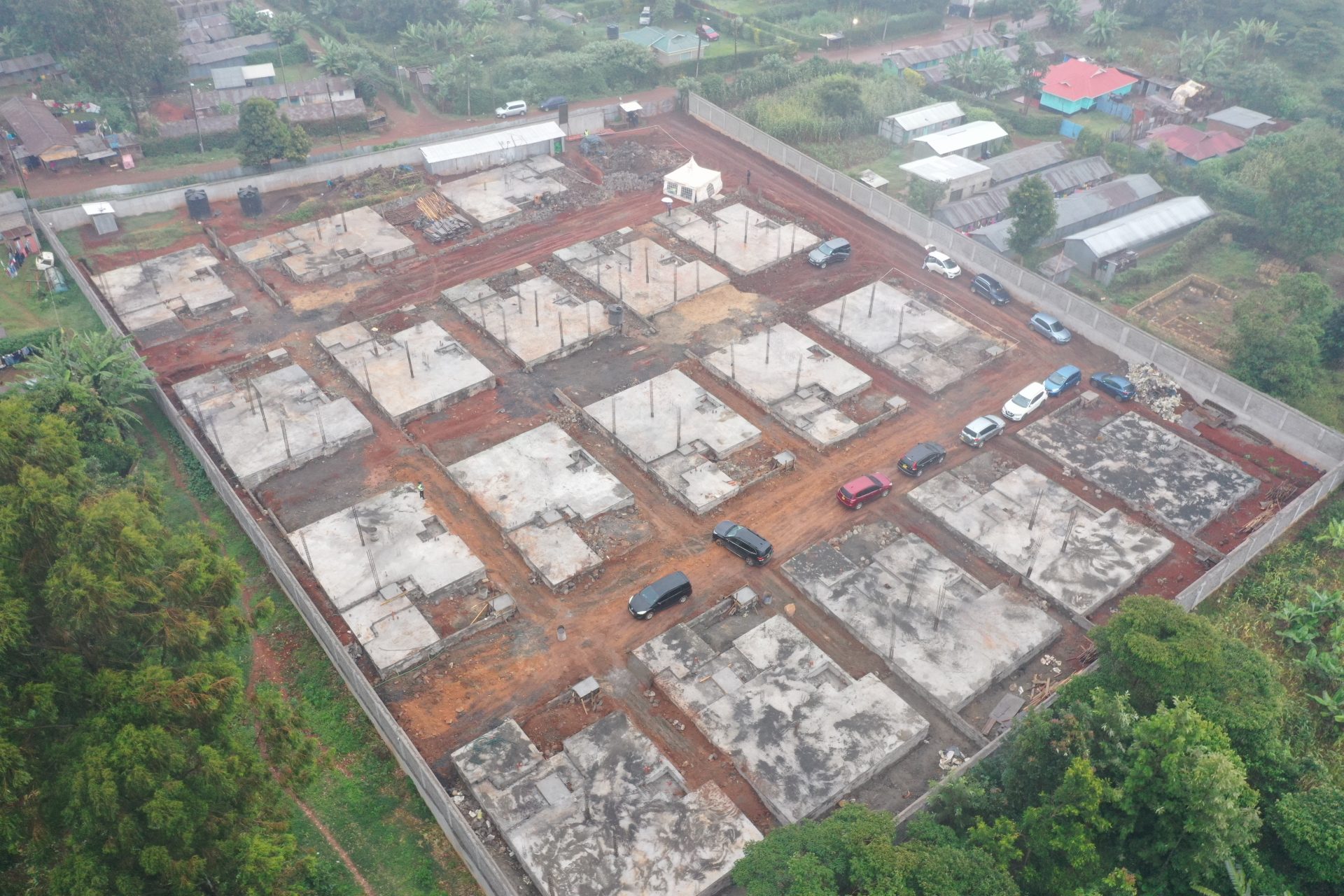
Knowing how to build a house in Kenya is mostly about doing things in the right order. Most expensive mistakes, such as building on disputed land, starting without approval or paying a contractor ahead of the work, come from skipping or reordering a step. This guide sets out the building process in Kenya from the land search to the day you move in, with the laws and documents that apply at each stage.
Key takeaways
- The Physical and Land Use Planning Act, 2019 makes it an offence to start development without county development permission, punishable by a fine of up to KSh 500,000, up to two months' imprisonment, or both.
- Plans submitted for development permission must be prepared by qualified, registered and licensed professionals, under section 59 of the same Act.
- The owner, not the contractor, must register the project with the National Construction Authority (NCA) within 30 days of awarding the contract; registration is currently free.
- Development permission lapses if building does not start within three years, though the county may extend it by one year.
- Banks such as KCB release construction loans in stages, after a quantity surveyor confirms each stage is complete.
How to build a house in Kenya: what are the steps?
The building process in Kenya follows seven stages. The table shows who leads each one and what you should have in hand before moving on.
| Step | What happens | Who leads | You should end with |
|---|---|---|---|
| 1. Land checks | Official search, survey, zoning check | Advocate, surveyor | Clean title in your name, confirmed boundaries |
| 2. Brief and budget | Set size, rooms, finish, cash plan | You, quantity surveyor | Target floor area and budget |
| 3. Design | Architectural, structural and MEP drawings | Architect, engineers | Full drawing set and a bill of quantities |
| 4. Approvals | County permission, NEMA, NCA | Professionals, you | Approved plans, licences, NCA registration |
| 5. Contractor | Tender or negotiate, sign contract | You, consultants | Signed contract and programme |
| 6. Construction | Build in stages with inspections | Contractor, supervisors | Certified completed stages |
| 7. Handover | Final inspection, snagging, occupation | Contractor, county | Occupation certificate and keys |
Step 1: How do you check the land before you build?
Start with an official search to confirm who owns the land and whether there are charges, cautions or restrictions on the title. Where the land registry is on the government's Ardhisasa platform, the search is done online; the Ministry of Lands reported in September 2026 that Ardhisasa is live in Nairobi, Murang'a, Mombasa and Isiolo. Elsewhere, you apply at the county land registry.
A licensed surveyor should then confirm the beacons on the ground match the survey plan, and a planner or architect should check the zoning: what use, height and plot coverage the county allows. These limits decide how big a house you can build. Our land due diligence checklist covers each check in detail. Ask your advocate to confirm all searches and transfer costs before you pay for land.
Step 2: How do you set a budget for building a house?
Decide the floor area and finish level first, then price them. The Architectural Association of Kenya reports that building in Nairobi cost about KSh 54,730 per m² for a standard bungalow and KSh 59,868 per m² for a middle-class maisonette in 2025. On top of the building itself, allow for professional fees, approvals, external works, utility connections and a contingency.
Our full guide to the cost of building a house in Kenya has a worked example for a three-bedroom home. If you plan to borrow, speak to your bank early: lenders set their own document lists and will want to see approved plans and a priced bill of quantities.
Step 3: Who designs a house in Kenya?
A complete house design involves four disciplines:
- Architect: layout, appearance and the drawings submitted for planning approval.
- Structural engineer: foundations, columns, beams and slabs, designed for your soil and loads.
- MEP engineer: mechanical, electrical and plumbing services, such as wiring, water supply, drainage and ventilation.
- Quantity surveyor (QS): measures and prices the design in a bill of quantities (BQ), the document you use to compare bids and control cost.
This is not optional. Section 59 of the Physical and Land Use Planning Act, 2019 requires documents and plans submitted for development permission to be prepared by qualified, registered and licensed professionals. Architects and quantity surveyors register with the Board of Registration of Architects and Quantity Surveyors (BORAQS), and engineers with the Engineers Board of Kenya (EBK). Designs must also comply with the National Building Code 2024, published as Legal Notice No. 47 on 1 March 2024.
Step 4: What approvals do you need before you start building?
Three approvals matter for most homes. Get them in this order, because each one relies on the last.
- County development permission. Under the Physical and Land Use Planning Act, 2019, the county must decide on a compliant application within 30 days. If you receive no written response within 60 days, permission is assumed to have been given. In practice, AAK members reported an average of 13.1 weeks to get approval in Nairobi in 2025.
- NEMA environmental licence. The National Environment Management Authority (NEMA) assesses environmental impact. Lower-risk projects file a summary project report, prepared by an environmental impact assessment expert, through NEMA's online licensing portal.
- NCA project registration. The NCA's regulations require the owner to register the project within 30 days of awarding the contract. Registration needs approved drawings, county permits, NEMA approval where applicable, the signed BQ summary page, your KRA PIN and the signed contract.
Our dedicated guide to building plan approval in Nairobi and Kenya explains each approval, its documents and its timelines.
Step 5: How do you choose a building contractor in Kenya?
Use only a contractor registered with the National Construction Authority (NCA) and holding a valid practising licence for the current year; NCA project registration requires it. You can check any firm on the NCA's search of registered contractors by name, registration number, category and county.
Compare bids against the same BQ so that every contractor prices the same work. Then sign a written contract that fixes the scope, contract sum, programme, payment stages, how variations are priced and the defects period. Pay against work certified as complete, not in advance of it. Our guide on how to check if a contractor is NCA registered walks through the checks step by step.
Step 6: What happens during construction?
A house is built in a predictable sequence, and each stage should be inspected before the next starts:
- Site preparation and setting out: clearing, marking the building lines and levels.
- Substructure: excavation, foundations and ground floor slab.
- Superstructure: walls, columns, beams and any upper floor slabs.
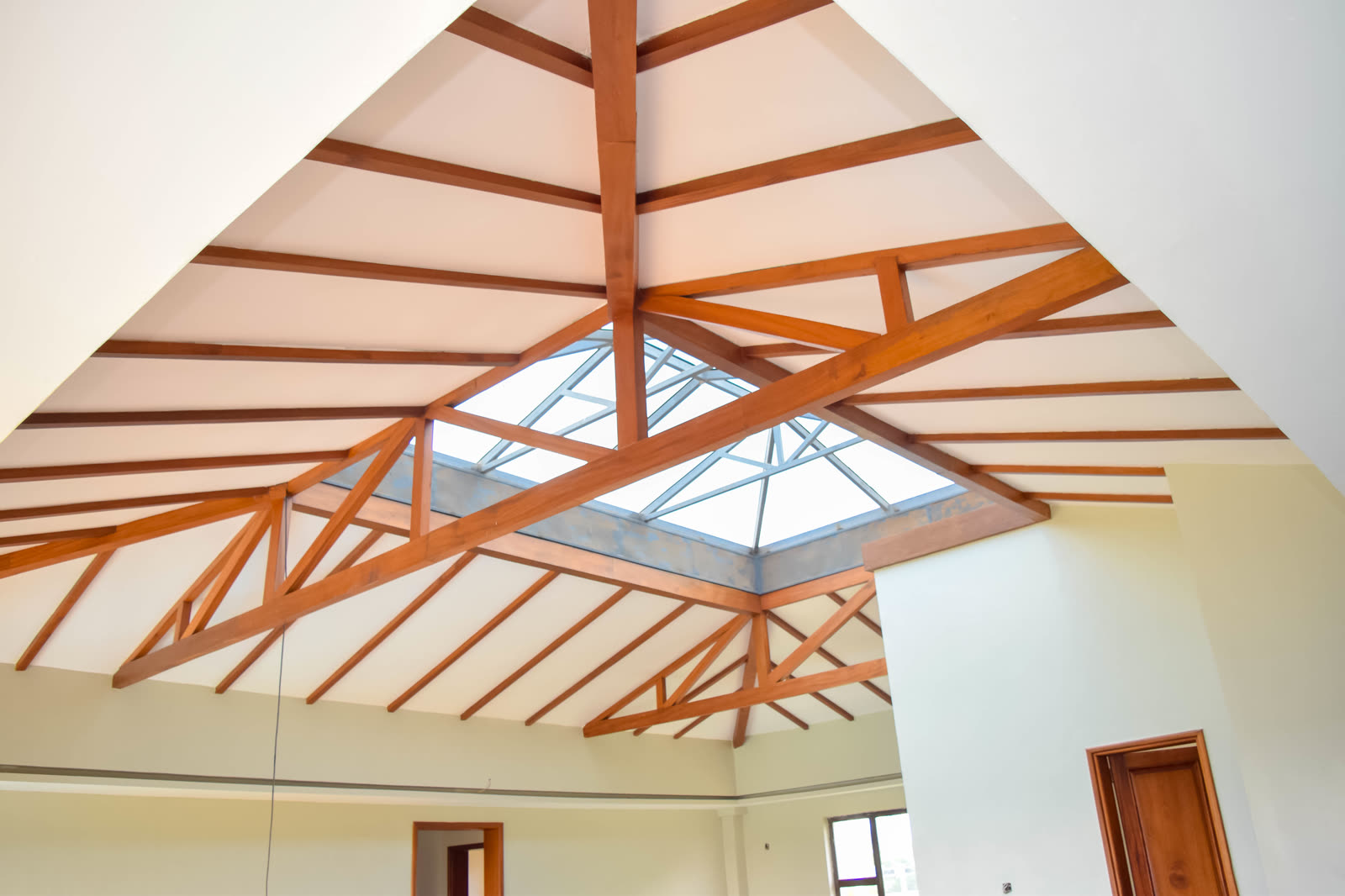
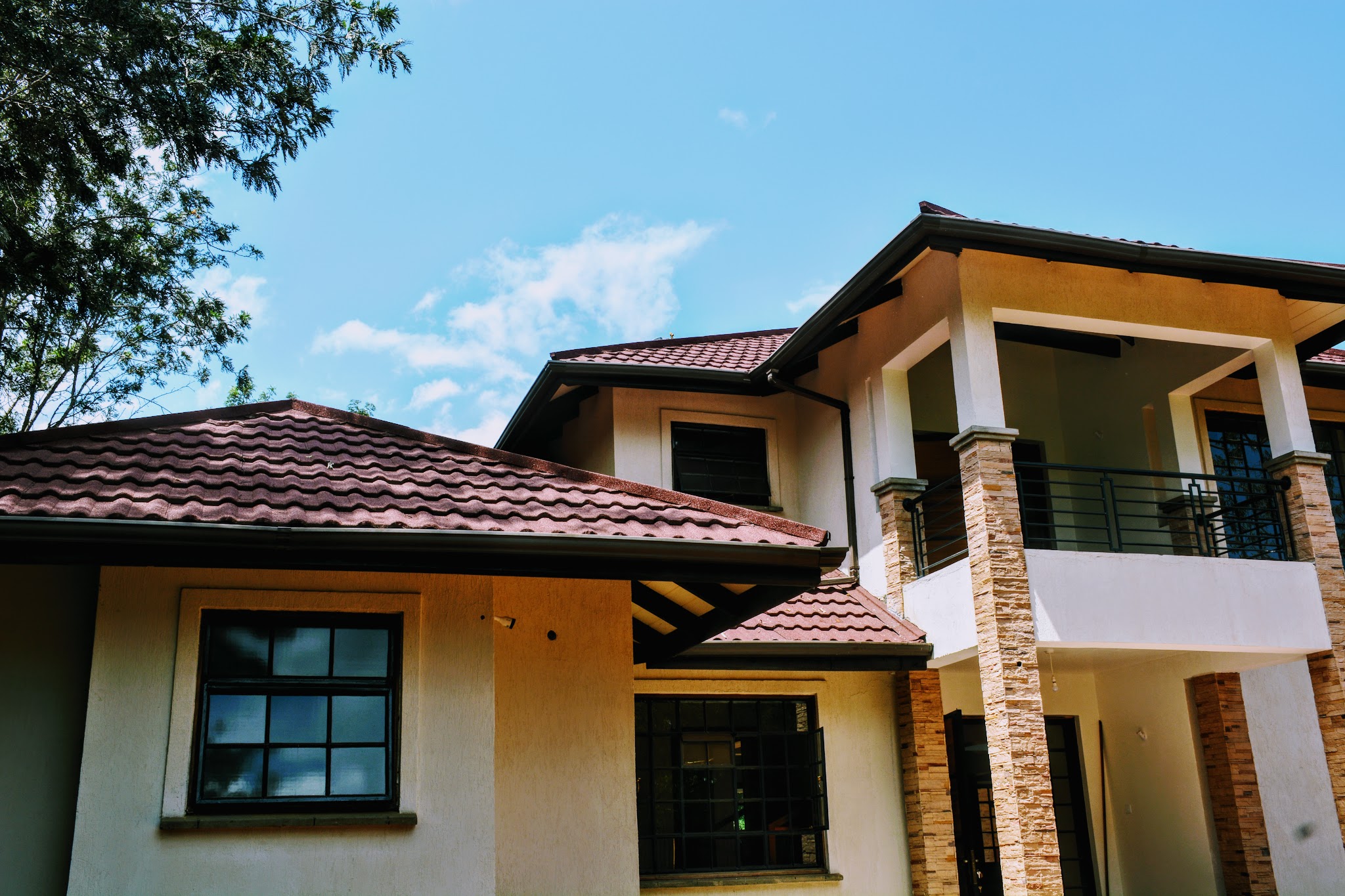
- Roof: structure, covering, gutters and downpipes.
- Services rough-in: electrical conduits, plumbing and drainage before plastering.
- Finishes: plaster, ceilings, floors, joinery, painting, fittings.
- External works: drainage, driveway, boundary wall and landscaping.
Banks use similar stages to release money. KCB, for example, says its residential construction mortgage is disbursed in stages from foundation completion through to finishing, with a KCB-appointed quantity surveyor inspecting each stage before the next payment. Tie your own contractor payments to the same kind of certified milestones. For timing, see how long it takes to build a house in Kenya.
Step 7: How do handover and occupation work?
Near completion, walk the house with your architect or supervising consultant and list every defect (the snag list). The contractor fixes these before handover, and a defects liability period in the contract covers problems that appear after you move in.
The last statutory step is the occupation certificate, which the county issues after final inspection of the completed building; lenders and future buyers will ask for it. In Nairobi, the Development Control Policy 2026 states that occupation certificates will be issued only after any public infrastructure damaged during construction is restored and the development impact fee is paid. Lenders care too: KCB's construction mortgage converts to a standard home loan once construction is complete and an occupancy certificate is issued.
How Msingi can help
Msingi Engineering Group (Msingi) is an integrated engineering, design-build and property development company in Nairobi, registered with the National Construction Authority (NCA) as a building works contractor with a current annual practising licence. Architecture, structural engineering and MEP are coordinated by one accountable team, so design, approvals and construction are run as one process rather than handed between separate firms.
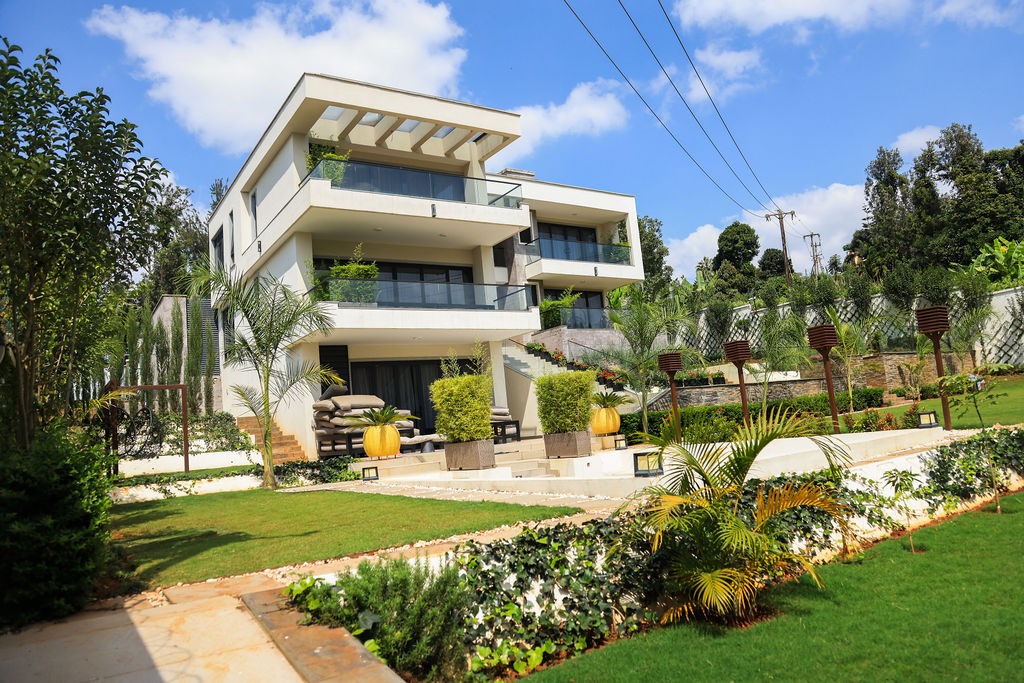
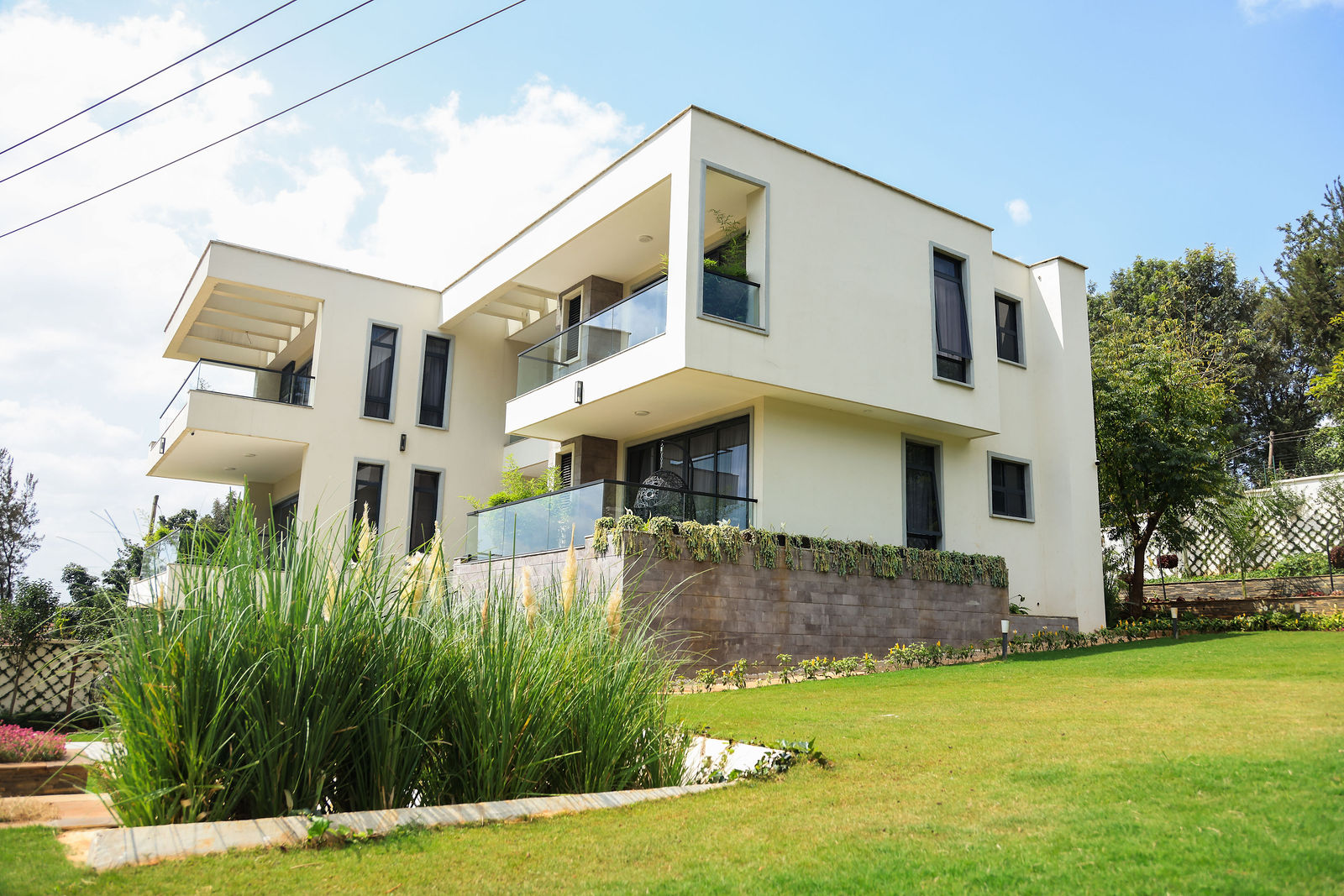
Msingi has delivered more than 20 projects, including a five-bedroom villa on half an acre in Tatu City and a five-bedroom maisonette in Thome; you can see the Thome residence for an example. Msingi works on clear scopes, defined costs and realistic timelines, with direct progress updates through to handover. To talk through your plot, start at Build with Msingi.
Frequently asked questions
What is the first step in building a house in Kenya?
The first step is to verify the land. Do an official search to confirm ownership and any charges or restrictions on the title, have a licensed surveyor confirm the beacons, and check the county zoning to see what you may build. Only then commission designs. Ask an advocate to confirm the searches and the transfer before you pay for land.
Do I need approval to build a house on my own land in Kenya?
Yes. Under the Physical and Land Use Planning Act, 2019, nobody may carry out development without development permission from the county. Starting without it is an offence punishable by a fine of up to KSh 500,000, up to two months' imprisonment, or both, and the county can order the land restored. Most homes also need a NEMA licence and NCA project registration.
Who registers a building project with the NCA, the owner or the contractor?
The owner. The NCA states that registering the project is the developer's responsibility, not the contractor's, and its regulations require the application within 30 days of awarding the contract. Registration is currently free and is done through the NCA project registration portal or at an NCA regional office. The contractor must itself be NCA registered with a valid practising licence.
Can I build a house in Kenya without an architect?
Not legally for approval purposes. Section 59 of the Physical and Land Use Planning Act, 2019 requires plans submitted for development permission to be prepared by qualified, registered and licensed professionals. In practice you need an architect for the drawings, a structural engineer for the structure, and ideally an MEP engineer and a quantity surveyor for services and costing.
How do banks release money for building a house in Kenya?
Construction loans are paid out in stages rather than as a lump sum. KCB, for example, lists stages from foundation completion to finishing, with a bank-appointed quantity surveyor inspecting each stage before releasing the next payment. Banks usually ask for approved plans, a signed priced bill of quantities, NCA and NEMA documents, and a signed contractor agreement.
What is an occupation certificate and why does it matter?
An occupation certificate is issued by the county after final inspection of a completed building, confirming it is fit to be occupied. Banks may require it before converting a construction loan to a mortgage. In Nairobi, the Development Control Policy 2026 says occupation certificates will be issued only after damaged public infrastructure is restored and the development impact fee has been paid.
Sources
- Physical and Land Use Planning Act, No. 13 of 2019 (copy hosted by KPDA)
- Physical and Land Use Planning Act, 2019 (Kenya Law)
- Project Registration (National Construction Authority)
- Project Registration FAQs (National Construction Authority)
- Search Registered Contractors (National Construction Authority)
- The National Building Code 2024 (National Construction Authority)
- Summary Project Report (NEMA)
- AAK Status of the Built Environment Report 2025 (Architectural Association of Kenya)
- State Department for Lands accelerates digital transformation of land services (Ministry of Lands, September 2026)
- Nairobi City County Development Control Policy 2026 (Nairobi City County Assembly)
- Building your dream home: how a KCB residential construction mortgage works (KCB)
Planning a build?
Tell us about your plot, plans and timing. A Msingi partner will call you within one working day.
Start your enquiry